
A plan you can put to work.
Six connected parts that give your next brand or marketing decision a stronger foundation.
Maybe your business has grown, your audience has changed, or you have more ideas than you know what to do with. We help you identify what matters and where to go next.
We work together to clarify your business, audience, positioning, messaging and priorities—then turn that thinking into a practical plan.

Six connected parts that give your next brand or marketing decision a stronger foundation.
We get clear on who you are today, what makes you different, and how you should be presenting yourself.
We define what you’re trying to accomplish and what needs to change to help you get there.
We identify the people who matter most, what they care about, and what they need from you.
We uncover what makes you relevant, valuable, and worth choosing.
We determine what people need to understand about you and what you should lead with.
We turn what we’ve learned into a clear direction for what comes next.
AI can give you a hundred ideas. We help you decide which ones make sense for your business—and what to do first.
Asano Designs brings more than 20 years of design and brand experience to the conversation, connecting strategic decisions to real execution.
Real projects, real brands, and real decisions that shaped the work.
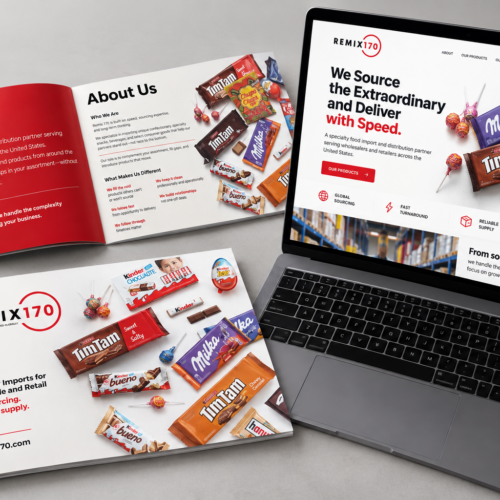
The business had grown, their product mix was changing, and they wanted to reach more retail buyers. The materials representing the company just hadn’t kept pace.
It would have been easy to start designing.
Instead, we started asking questions.
What does Remix 170 actually do? Why do buyers choose them? Who are they trying to reach next? What part of their story matters most? And what does the website actually need to accomplish?
Those conversations uncovered something bigger than a new look.
We clarified that Remix 170 wasn’t simply importing specialty foods. They were helping buyers fill gaps in their existing assortment with products that could be difficult to source elsewhere. We also uncovered a shift in the business from primarily wholesale toward more retail, established that speed and sourcing should lead the story, and defined what the website and catalog each needed to do.
Once those things were clear, the design had a reason behind it.
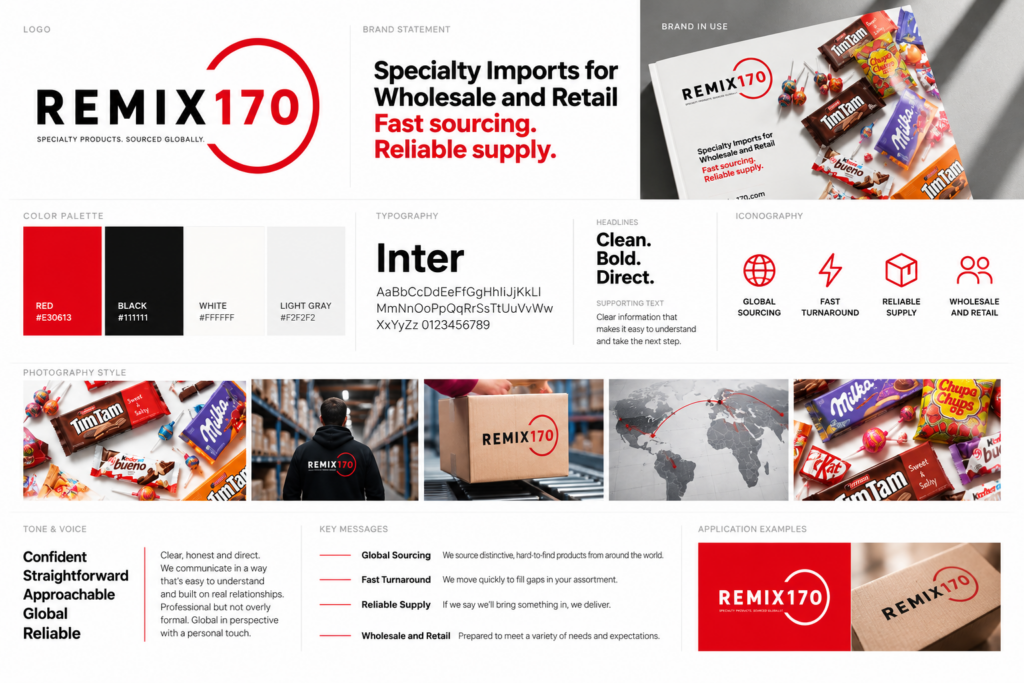 The website, catalog, messaging and visual system all came from the same foundation.
The project started with a request for better design.
What they really needed first was clarity.
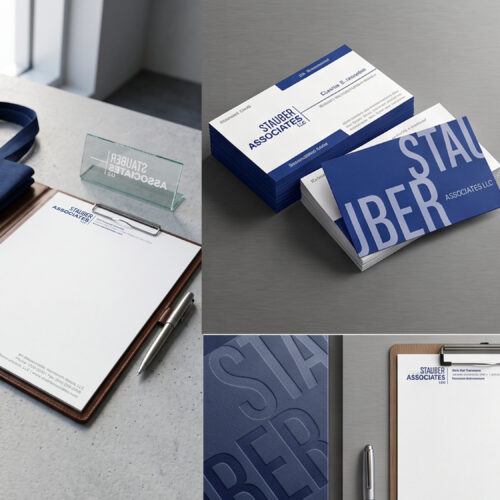
Stauber Associates already had the experience, expertise and client relationships. The challenge was taking everything they knew about the business and getting clear on what the brand needed to communicate.
Those conversations helped define how the firm wanted to be perceived and created a direction everyone could work from.
What followed was a complete identity system—from the logo and stationery to presentations and client-facing materials—all built around the same idea.
The design came from first getting clear on what the firm needed to say.
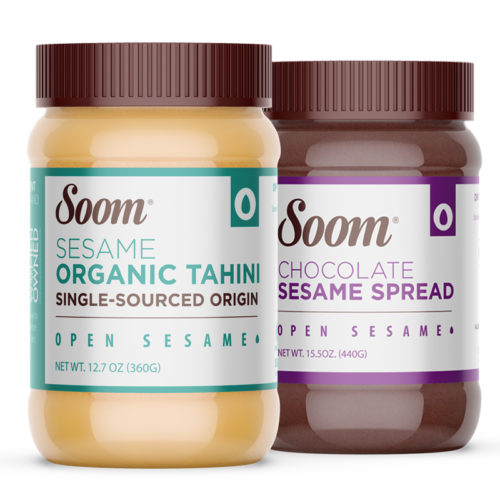
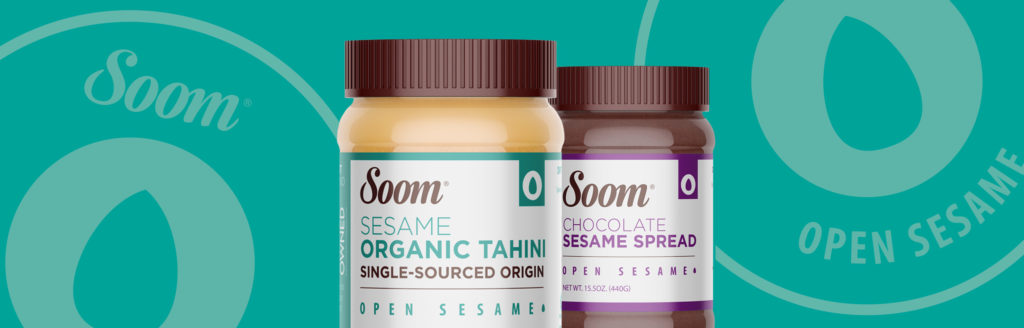
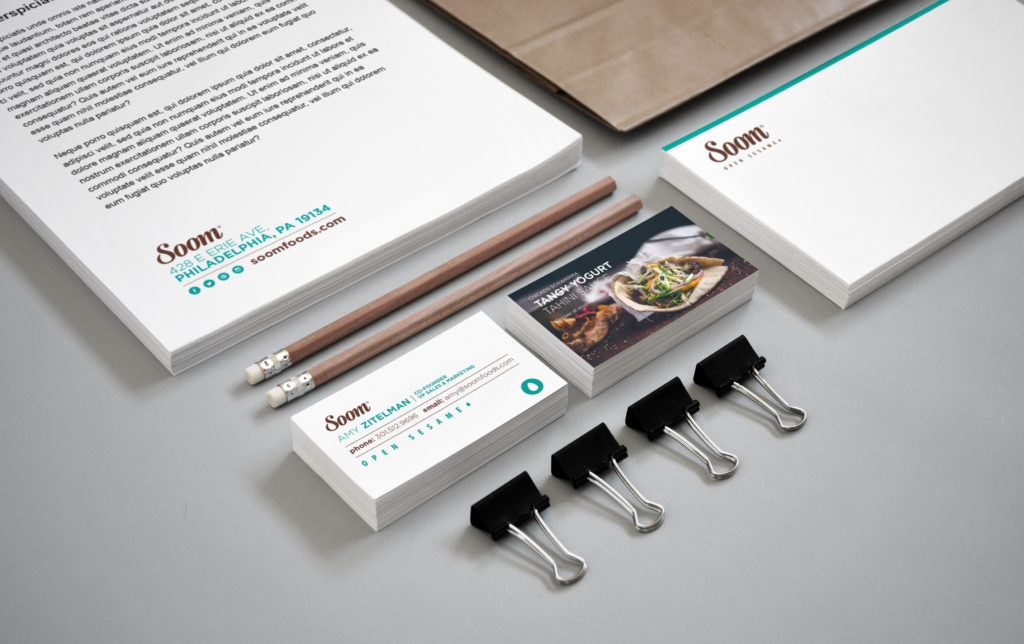
Soom already had an established business and a product people loved. But moving further into retail meant thinking differently about who they were talking to, what consumers needed to understand, and how the brand should show up outside of its existing B2B relationships.
The conversations helped clarify the audience, positioning and story before deciding how that should translate into packaging and the broader consumer-facing brand.
The product hadn’t changed. The context around it had.
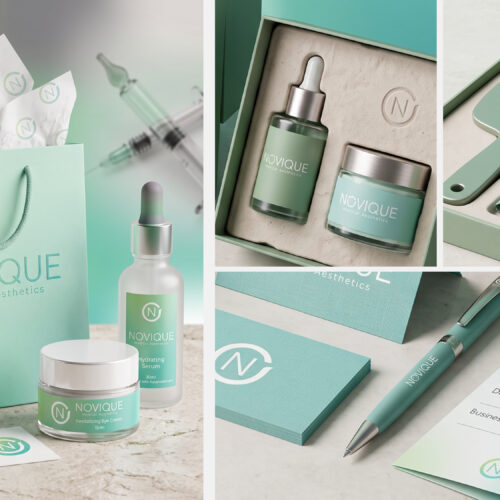
Novique was growing quickly, and the founders had a clear vision for where they wanted to take the company. The challenge was getting what was in their heads into a story everyone could understand and use.
Through the Blueprint, we worked through the audience, positioning, key messages and priorities, turning several different ways of describing the business into one shared direction.
That clarity gave the founders a common language for talking about Novique — and gave their marketing team a foundation for everything that came next.
The vision was already there. We helped make it clear.
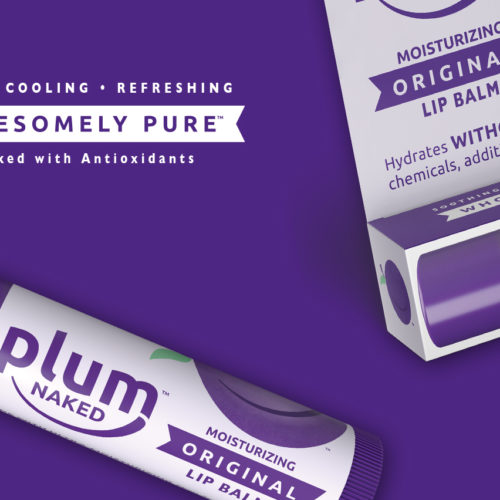
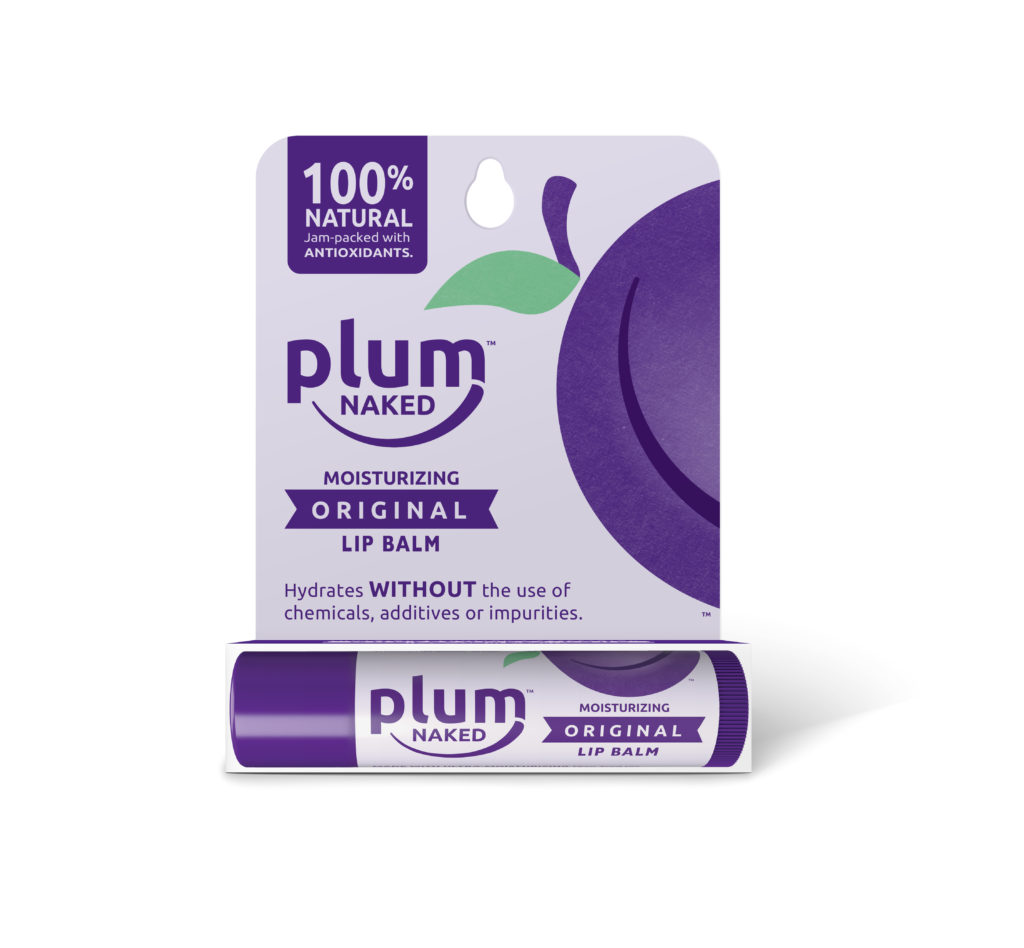
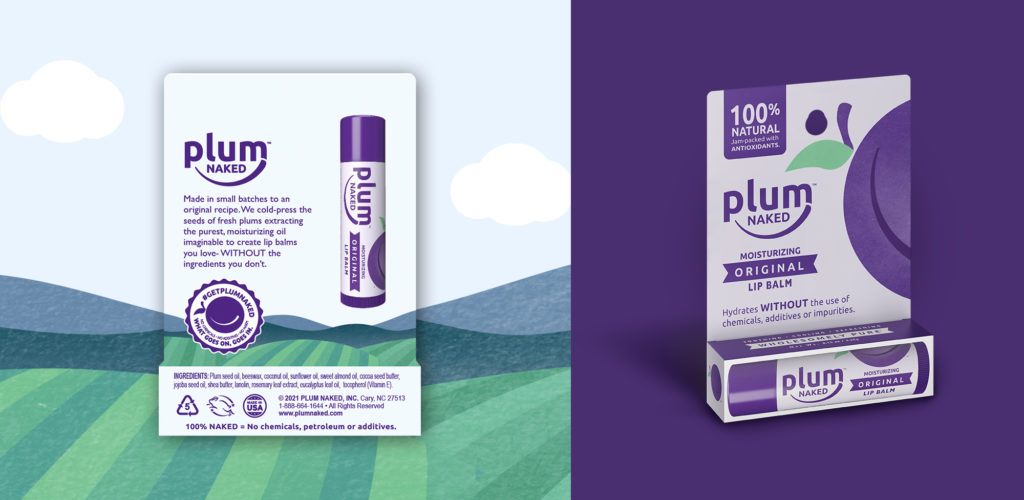
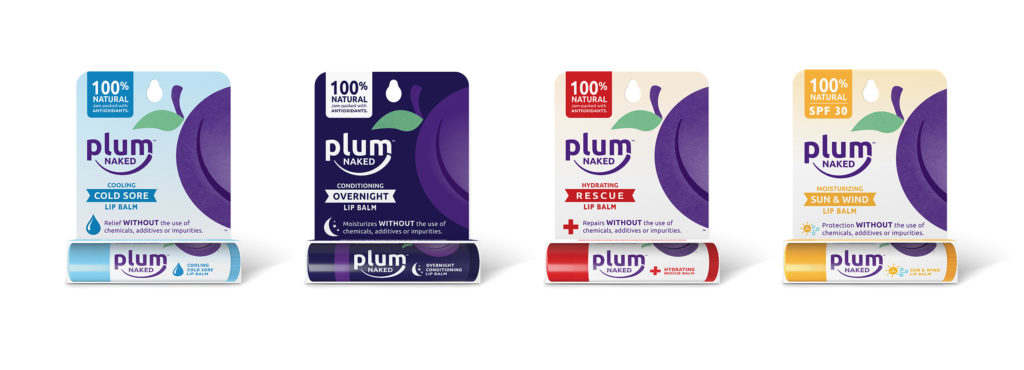
Plum Naked already had a product and a founder with a strong vision for what the brand could become. There were ideas around natural ingredients, outdoor lifestyles, community involvement, giving back, retail, events and how the brand should show up in the world.
The challenge wasn’t coming up with more ideas. It was figuring out which ones belonged together and what the brand should really stand for.
Our conversations helped bring those thoughts into focus, giving the team a clearer direction for the brand, its voice and the way it should connect with customers.
That direction eventually shaped everything from the identity and packaging to the website, social content, photography, retail materials and event experiences.
The ideas were already there. Clarity gave them something to build around.

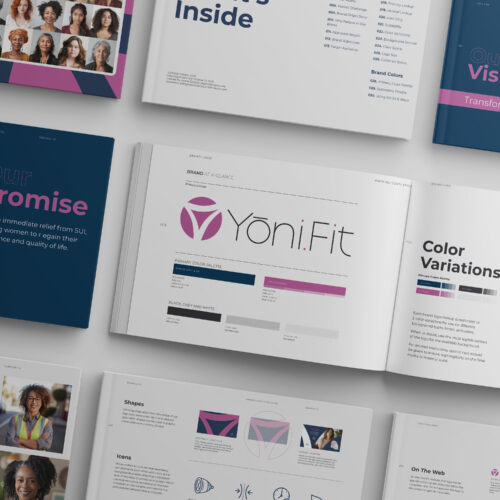
Yōni.Fit had an upcoming trade show and needed new booth graphics. They already had materials, but they no longer reflected where the company was headed.
As we started talking about the booth, the conversation quickly became bigger. Who would they be talking to? What did those people need to understand? What should the booth say? What would they hand someone after the conversation? And did all of those pieces tell the same story?
What started as a request for trade-show graphics led to a broader conversation about Yōni.Fit’s goals and how we could help them prepare for the event.
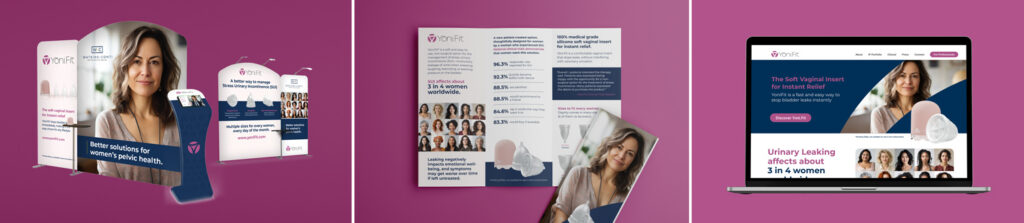 We clarified the audience, messaging, supporting materials and overall direction for the event. That gave us a plan for the trade show — and eventually became the foundation for the website, brand guidelines and everything that followed.
Sometimes the thing you think you need is just the starting point.

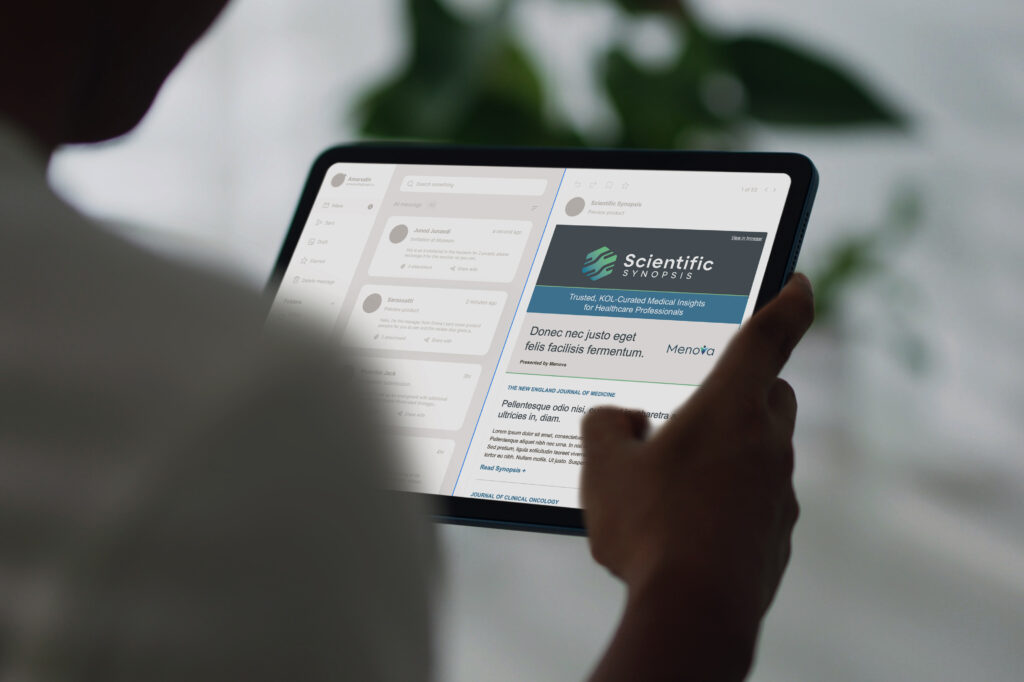
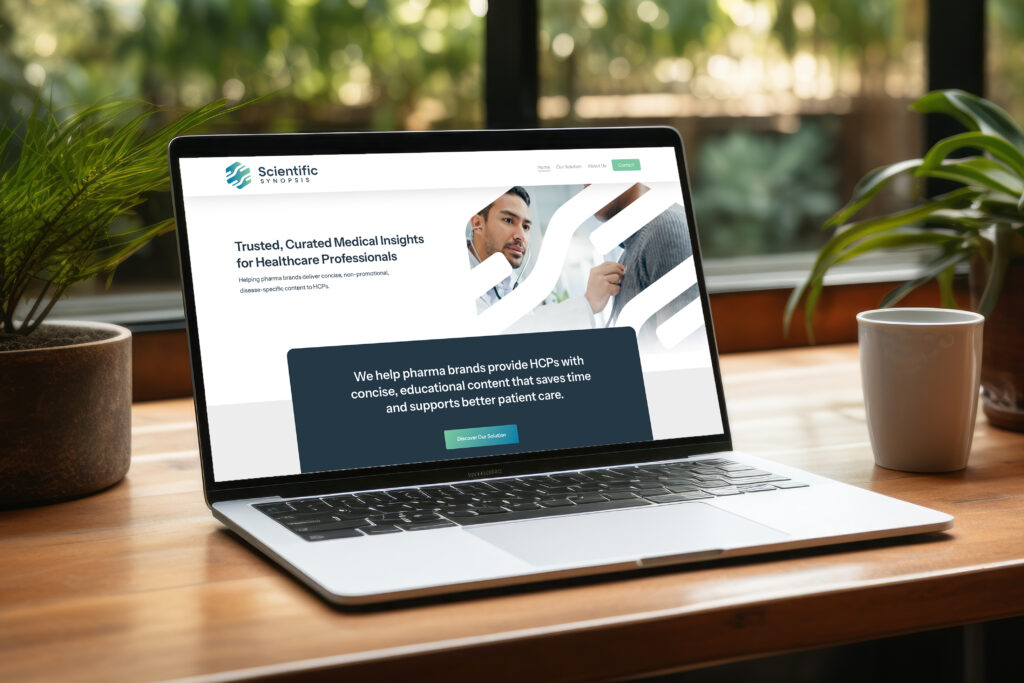
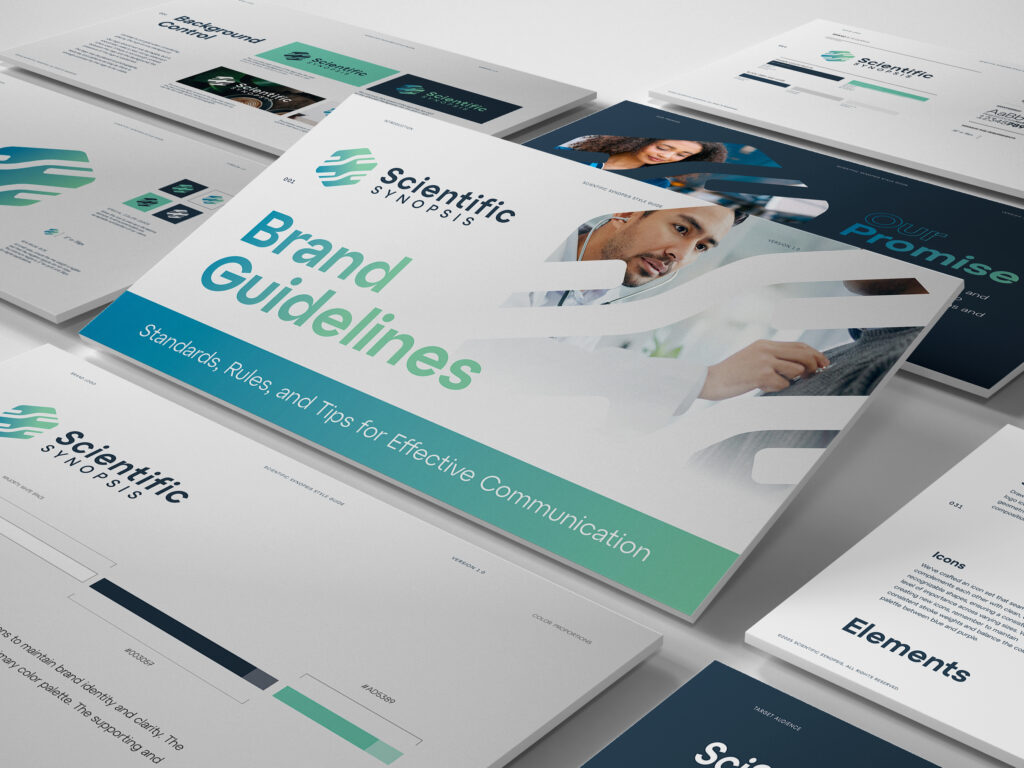
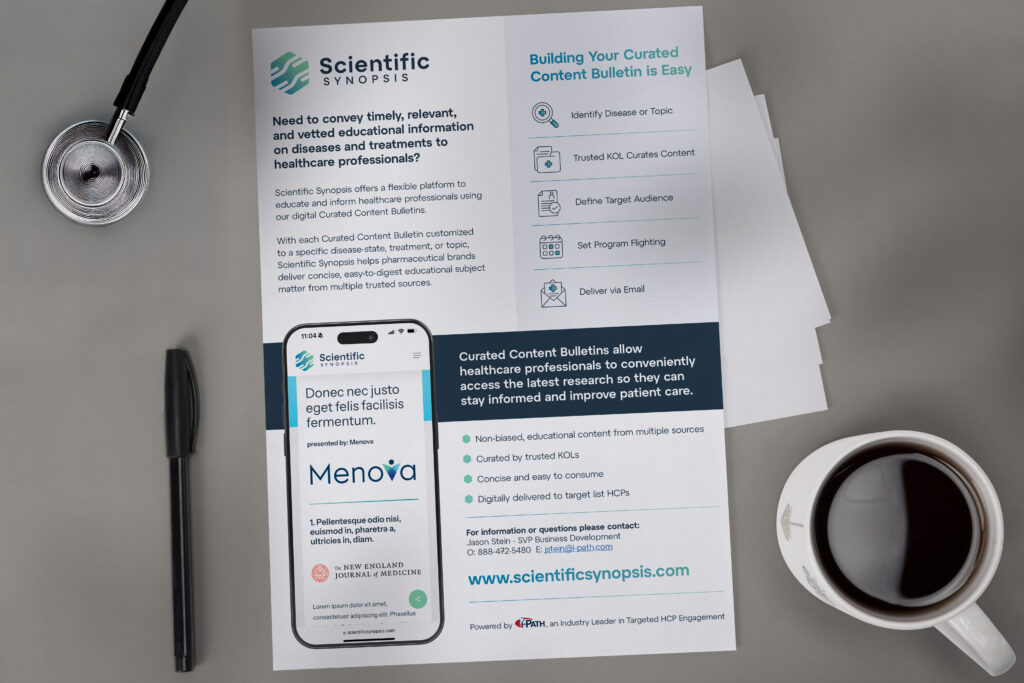
The team behind Scientific Synopsis had spent years working in medical publishing and saw an opportunity to create something new. They had ideas about the product, the problem it could solve and how it might work, but there was still a lot to organize before they could take it to market.
We started by getting everyone in the room and talking it through.
Those conversations helped clarify who the product was for, why it mattered, how it was different and what needed to be communicated first. What had been spread across experience, conversations, documents and individual ideas started becoming one shared direction.
That clarity gave the team a foundation to move forward.
The identity, messaging, sales materials, website and product experience all came next.
The idea was already there. Getting clear made it something we could build around.